The Property Tax Question — Monday, May 11, 2026
The Property Tax Question
How North Carolina's local governments — and the lobbying bloc that defends them — are squaring up for a constitutional fight over the levy that funds counties and cities. Fifty-seven cities and thirty-five counties hold active registrations at the Capitol. The League of Municipalities fields nine lobbyists; the Association of County Commissioners fields five. Twelve counties just revalued, and the bills are arriving now.
Where the Local-Government Lobby Sits
Cities, counties, and the two statewide associations field the local-government bloc. The deepest benches cluster in the largest cities and the regional county leaders.
- 01City of CharlotteCity9
- 02NC League of MunicipalitiesStatewide9
- 03City of Winston-SalemCity5
- 04City of GreensboroCity5
- 05NC Assn of County CommissionersStatewide5
- 06Person CountyCounty5
- 07City of DurhamCity4
- 08Town of PembrokeCity4
- 09New Hanover CountyCounty4
- 10Craven CountyCounty4
The Local-Government Lobbying Landscape
How North Carolina's local governments show up at the State Capitol, April 2026.

Bigger Than You Think
Local governments do not lobby with one voice. They lobby with three: full-time staff, contract lobbyists hired by individual cities and counties, and the statewide associations that speak for all of them at once. Added together, the bloc is one of the largest organized voices at the Capitol.
NCACC and the League: 14 Lobbyists Between Them
The NC Association of County Commissioners speaks for all 100 counties. The NC League of Municipalities represents more than 540 cities, towns, and villages. Together they field one of the largest local-government lobbying teams in Raleigh.
- 01Andrew BlackburnNCACC
- 02Tiffany GladneyNCACC
- 03Joy Anderson HicksNCACC
- 04Joshua Adam LanierNCACC
- 05Kevin G. LeonardNCACC
- 06Robert Derrick ApplewhiteLeague
- 07Sarah Amanda BalesLeague
- 08League
- 09Harold BrubakerLeague
- 10Patrick T. BuffkinLeague
- 11Nelson FreemanLeague
- 12Kaitlin Nicole RotheckerLeague
- 13Rose Vaughn WilliamsLeague
- 14Erin L. WyniaLeague
Which Municipalities Lobby Hardest?
Number of registered lobbyists representing each city or town in North Carolina, April 2026.
- 01City of Charlotte9 lobbyists
- 02City of Winston-Salem5 lobbyists
- 03City of Greensboro5 lobbyists
- 04City of Durham4 lobbyists
- 05Town of Pembroke4 lobbyists
- 06City of Lexington3 lobbyists
- 07Town of Smithfield3 lobbyists
- 08Town of Troutman3 lobbyists
- 09City of Salisbury3 lobbyists
- 10Town of Boone3 lobbyists
- 11City of Wilmington3 lobbyists
City of Charlotte: 9 Lobbyists at the Capitol
North Carolina's largest city fields the deepest local-government lobbying team in Raleigh. The same roster will carry the city's defense of its property-tax base and its Bank of America Stadium financing package through the 2026 session.
- 01Robert Derrick Applewhite
- 02
- 03Debbie Ann Clary
- 04Kendall Conger
- 05Trafton Dinwiddie
- 06John Carry Easterling
- 07Nelson Freeman
- 08Dylan Reel
- 09Jason Saine
The Three Who Hold the Coalition
Three lobbyists carry registrations for both the City of Charlotte and the NC League of Municipalities. None of the NCACC's five lobbyists cross to either. That overlap — and the lack of one — is the structure of the local-government bloc.
- 01→Robert Derrick Applewhite · League + CharlotteRegistered for both the NC League of Municipalities and the City of Charlotte. Carries city-and-statewide municipal posture into every committee that touches local government.
- 02→Hampton Michael Billips · League + CharlotteThe second of three League–Charlotte cross-registrants. Brings the largest member city into the same room as the statewide municipal voice.
- 03→Nelson Freeman · League + CharlotteCloses the triangle. Three lobbyists, two principals, one continuous presence on municipal-finance and home-rule fights.
Which Counties Lobby Hardest?
Number of registered lobbyists representing each county at the NC Capitol, April 2026.
- 01Person County5 lobbyists
- 02New Hanover County4 lobbyists
- 03Craven County4 lobbyists
- 04Durham County3 lobbyists
- 05Hoke County3 lobbyists
- 06Mecklenburg County2 lobbyists
- 07Buncombe County2 lobbyists
- 08Dare County2 lobbyists
- 09Pender County2 lobbyists
- 10Sampson County2 lobbyists
Person County: Five Lobbyists for 39,000 Residents
Person County leads all North Carolina counties in registered lobbyists per capita — a footprint that mirrors its emergence as a data-center destination.
- 01Five registered lobbyists for fewer than 40,000 residents — the highest per-capita county footprint in the state.
- 02Microsoft has acquired more than 1,000 acres in Person County for a future data-center campus.
- 03State decisions on rural broadband, water, and sewer funding shape data-center economics.
- 04Person County now competes with Mecklenburg and Wake for the same incentive programs.
The public record of NC lobbying.
- Weekly editions
- Daily feed
- Search-indexed roster
Reach the Decision-Makers Behind Local Budgets
Lapel Intelligence reaches the Raleigh staff, council members, and lobbyists who write the rules. Search 4,800+ lobbyists and 6,700+ principals at lapelintel.com — free, instant, current to today.
- Inline · Editions issue rotation
- Sidebar · Feed and search results
- Footer · Newsletter & profile pages
- Custom · Sponsored series and briefs
A Polled-Up Public, A One-Vote-Shy Supermajority, And 12 Counties Whose Bills Just Landed
The politics of property tax did not go looking for the General Assembly. The General Assembly was already there.
The Public Mood, Read Twice
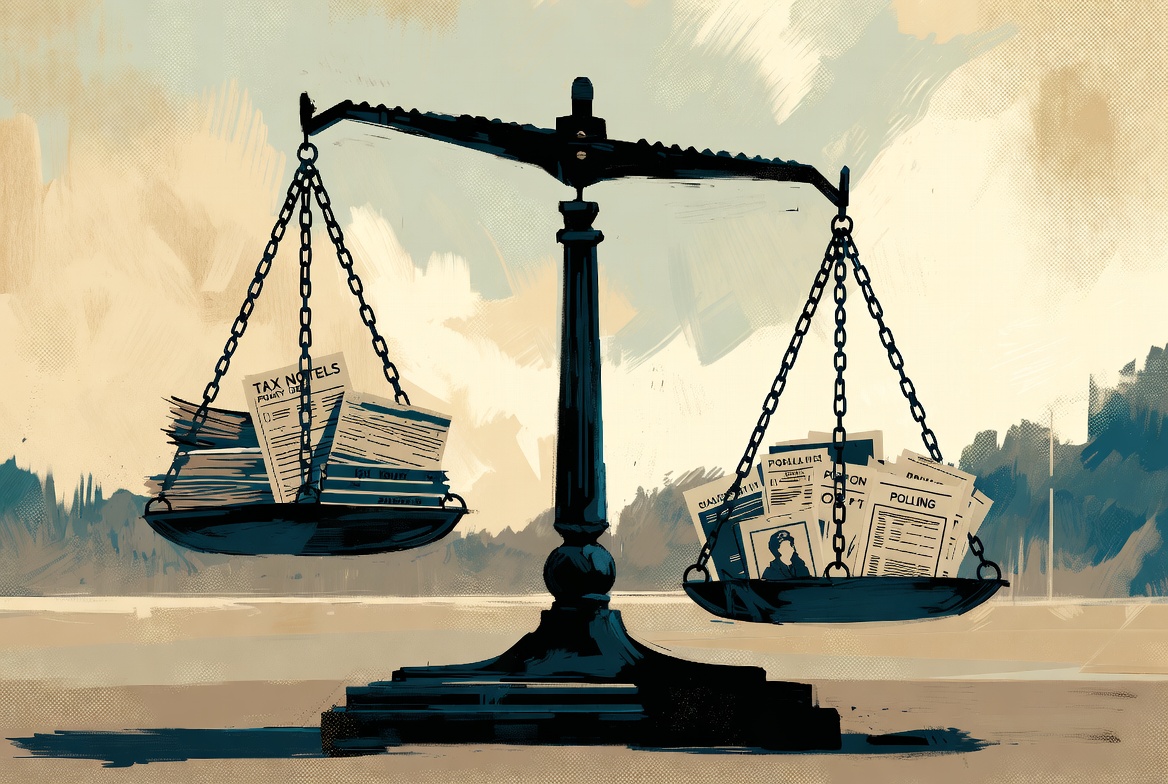
Carolina Journal's March 2026 poll: 76.8% of North Carolinians call property tax a household burden. 73.2% would vote yes on a constitutional amendment to limit it. Numbers like these reset what is politically possible — and they sit on top of a less fashionable second story.
- 01GOP leaders see the cap question as a ballot win regardless of override math.
- 02Local-government lobbyists have to argue against poll numbers, not for them.
- 03Bills are bigger because houses are worth more — rising values are creating equity for owners and pressure on the services those values fund.
- 04A rate cut following a revaluation can keep collections flat, but the politics rarely allows for it.
One Vote Shy
House Republicans are one vote shy of a supermajority. A constitutional amendment requires three-fifths in each chamber. The Senate has the votes. The House has to find one Democrat — and the cost of being that Democrat just went up.
- 01House GOP sits one seat short of a 72-vote supermajority.
- 02Three Democrats lost 2026 primaries after override votes on prior session bills.
- 03Some vetoes have been overridden through bipartisan cracks; others have held.
- 04Property tax is the kind of polled-up question that produces those cracks.
Twelve Counties Revalued on January 1
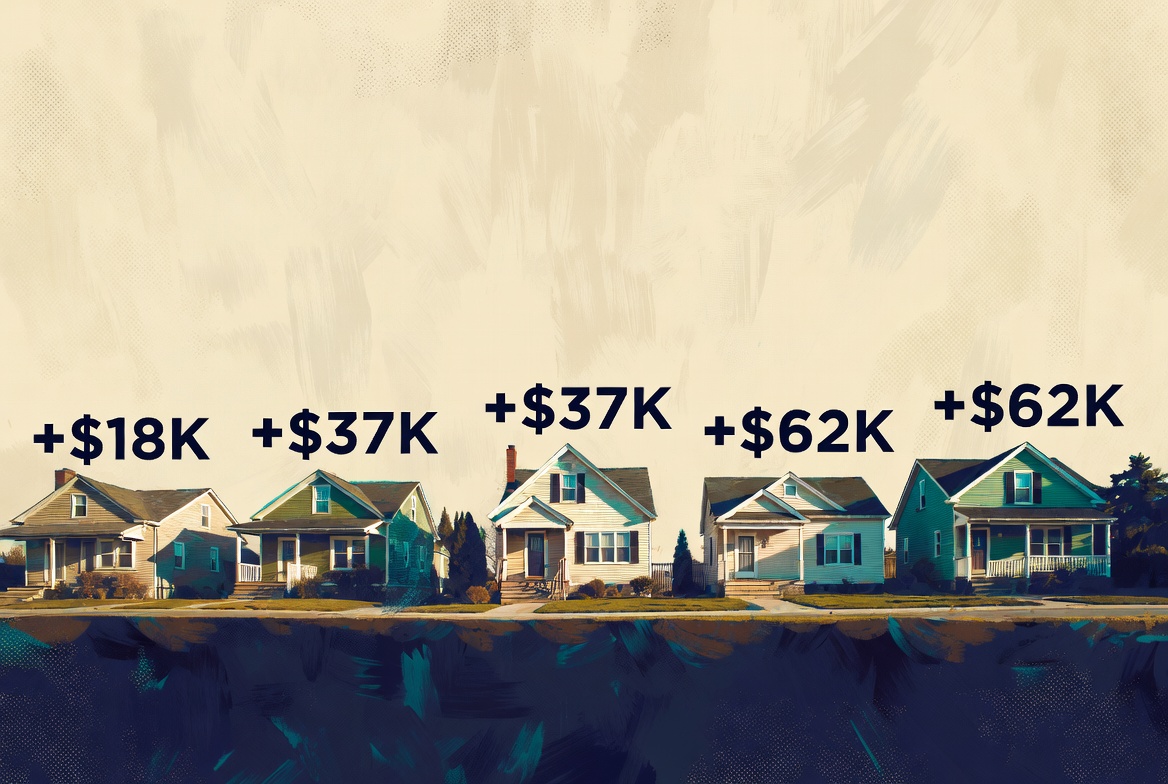
Twelve counties revalued real property effective January 1, 2026. The 18-county statewide average for 2025 reappraisals came in around 61 percent. A reappraisal is not a tax increase by itself — but the tax notices that arrive in the spring rarely read that way.
The Twelve Counties That Revalued on January 1
Notices and rate adjustments are landing across the spring. Counties revalue real property on a four- or eight-year cycle; the post-pandemic value run-up has compressed years of price movement into a single jump.
- 01Buncombe CountyWestern · ~60%
- 02Guilford CountyCentral · ~48%
- 03Davidson CountyCentral · ~65%
- 04Harnett CountyCentral
- 05Bladen CountyEastern
- 06Pender CountyCoastal
- 07Onslow CountyCoastal
- 08Pamlico CountyCoastal
- 09Chowan CountyEastern
- 10Anson CountySouthern Piedmont
- 11Scotland CountySouthern Piedmont
- 12Clay CountyWestern
Buncombe: Values Up 50 to 70 Percent
Buncombe County's January 1 revaluation produced parcel-level value increases of 50 to 70 percent. The mountain market that priced through the pandemic finally hit the tax rolls.
- 01January 1, 2026 revaluation: parcel value increases of 50–70 percent.
- 02Buncombe County maintains 2 registered lobbyists at the Capitol.
- 03Asheville housing politics and the Helene-era reconstruction context amplify every rate decision.
- 04Commissioners will publish a revenue-neutral rate this spring; final rate is set by June 30 against a $26M Asheville budget gap.
Guilford: ~48 Percent — and an Asymmetry
Guilford encompasses Greensboro and High Point. The cities lobby. The county does not. The combined Triad delegation in Raleigh is smaller than the metro's footprint suggests — and that gap is the politics.
- 01January 1, 2026 revaluation: ~48 percent average value increase.
- 02Guilford County: 0 registered lobbyists at the Capitol.
- 03City of Greensboro: 5 lobbyists. City of High Point: 1. Combined Triad delegation: 6.
- 04The county's reappraisal politics are being argued by city teams, not a county team.
The public record of NC lobbying.
- Weekly editions
- Daily feed
- Search-indexed roster
Government Affairs Intelligence
Daily, structured visibility into who is paid to talk to the General Assembly. Daily updates from the NC Secretary of State lobbying registry — every registration, every update, every day. Read free at lapelintel.com.
- Inline · Editions issue rotation
- Sidebar · Feed and search results
- Footer · Newsletter & profile pages
- Custom · Sponsored series and briefs
Davidson: ~65 Percent — and Senator Jarvis's Home County
Davidson County's January 1 revaluation came in around 65 percent. Davidson is also the home county of Senator Steve Jarvis, a fact local-government lobbyists are not ignoring.
- 01January 1, 2026 revaluation: ~65 percent average value increase.
- 02Home county of Senator Steve Jarvis.
- 03Davidson County: 0 registered lobbyists. Lexington — the county seat — has 3.
- 04The county is not in Raleigh defending itself; the city it surrounds is.
Wake and New Hanover Roll Out Increases
Outside the January 1, 2026 reappraisal cohort, two of the state's most economically consequential counties have moved on rates in recent weeks: Wake on the school-and-services side, New Hanover on the coastal-pressure side.
- 01Wake County: FY26 rate set at 51.71¢ per $100, +0.36¢ over the prior year — about $16 more per year on a $450K home.
- 02New Hanover: FY25-26 budget weighs a 30.6¢ → 32.6¢ rate hike (+2¢ = $20 per $100K). Revaluation effective January 1, 2025, not in the 1/1/26 cohort.
- 03Wake County Public Schools maintains 3 registered lobbyists separately from the county.
- 04New Hanover fields 4 registered lobbyists at the Capitol.
How Big Were the 1/1/26 Increases?
Reappraisals effective January 1, 2026.
- 01Davidson County65 % increase
- 02Statewide 2025 18-county avg61 % increase
- 03Buncombe County (midpoint of 50–70%)60 % increase
- 04Guilford County48 % increase
Two Chambers, Two Instruments, One Debate
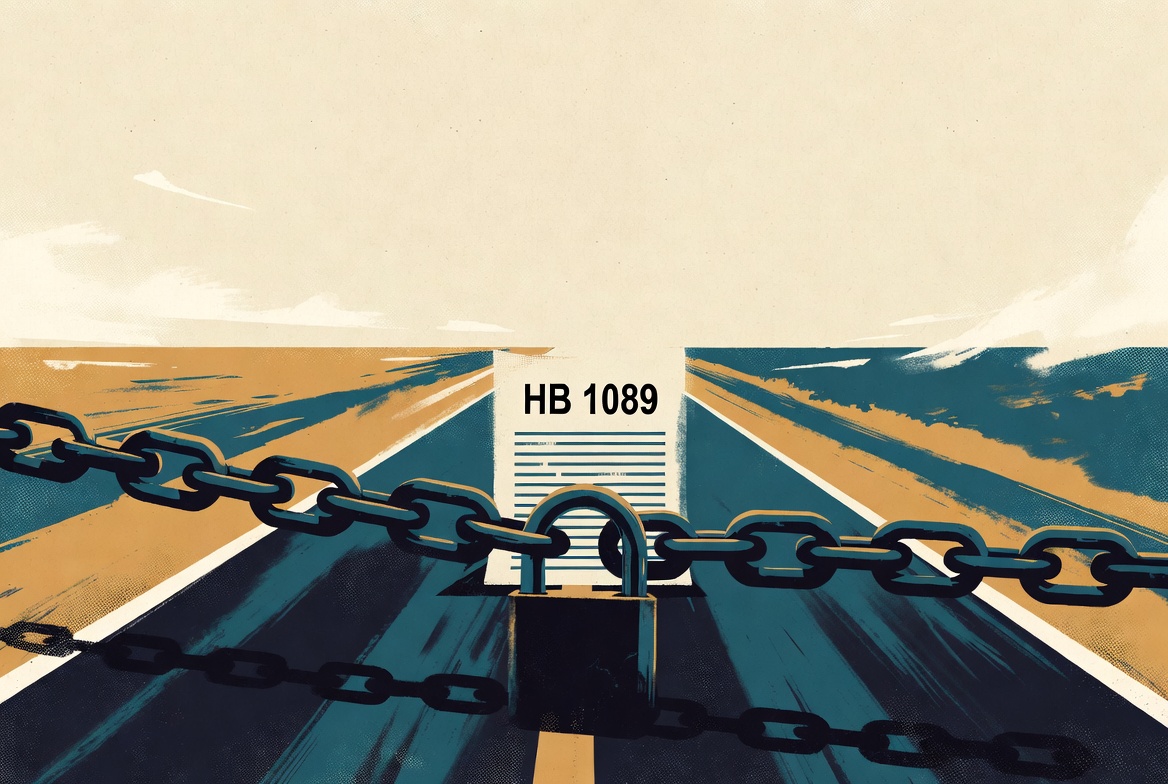
The Senate has passed a reappraisal moratorium. The House has filed HB 1089, a constitutional amendment imposing a levy limit. The chambers are triangulating — on brand for the body that produced last session's budget stalemate.
Berger's Moratorium Clears the Senate
Senate Bill 889 pauses the January 1, 2026 reappraisals from taking effect this year and would let those values land in 2027 instead. A moratorium is a smaller instrument than a constitutional amendment, but it lands earlier and bites first.
- 01SB 889 — final OK 35-8. Primary sponsors: Senators Phil Berger, Brent Jackson, and Steve Jarvis.
- 02Three counties carved out (Clay, Chowan, Pamlico). The other nine in the 1/1/26 cohort are frozen until 2027.
- 03House consideration is next; outcome not yet set.
- 04Counties already revalued on January 1 sit in an awkward middle state.
HB 1089 — A Constitutional Levy Limit
HB 1089 was filed on April 30. The bill is a constitutional amendment imposing a levy limit on local property tax. If it clears both chambers with three-fifths support it goes on the ballot. The Senate moves one instrument; the House moves another. Conference is where the policy gets written or buried.
- 01Constitutional amendment — levy limit, not a rate or assessment cap.
- 02Requires three-fifths in each chamber to reach the ballot.
- 03Primary sponsors: Reps. Echevarria, Howard, Setzer, Paré. Initial referral: House Finance Committee.
- 04Last session's budget stalemate is the recent precedent for two-chamber instrument splits.
The public record of NC lobbying.
- Weekly editions
- Daily feed
- Search-indexed roster
Property Tax Lobbying — Tracked Daily
Every registration, every update, every day. Lapel Intelligence is free to read. Edition archive, daily feed, and entity-level search at lapelintel.com.
- Inline · Editions issue rotation
- Sidebar · Feed and search results
- Footer · Newsletter & profile pages
- Custom · Sponsored series and briefs
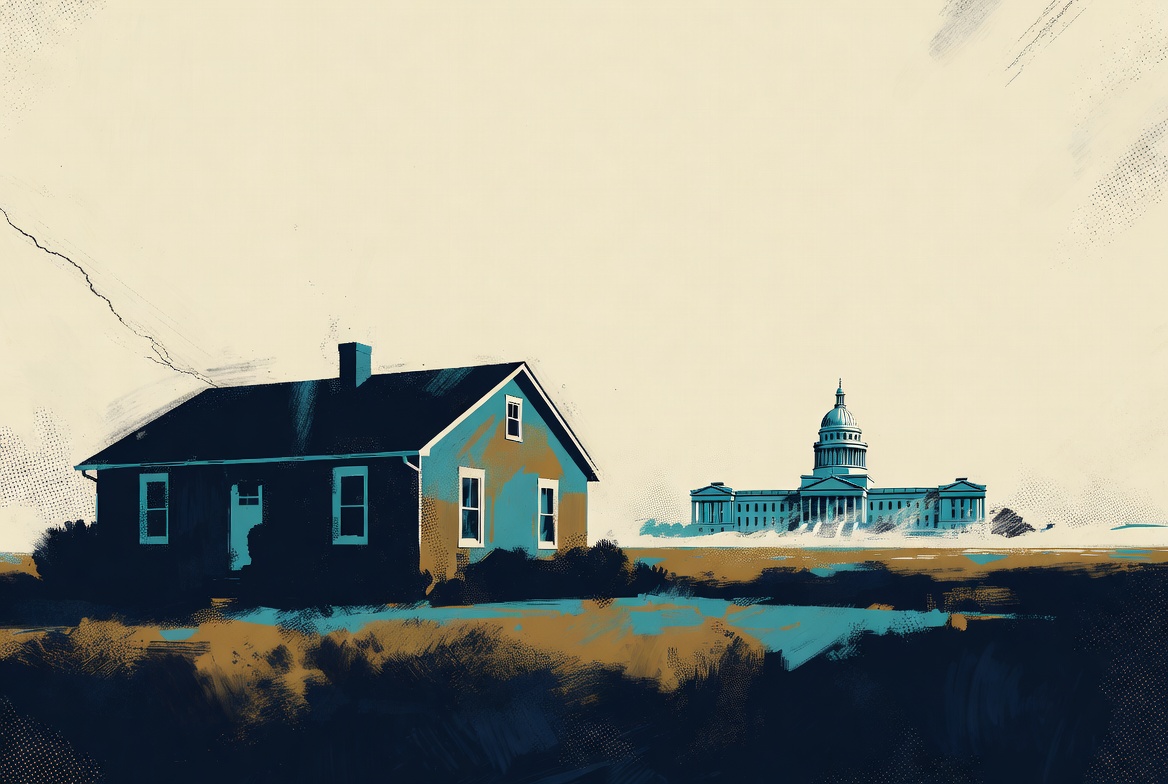
A Constitutional Amendment Is an Argument About Money
To read the cap question well you have to read what the money buys: schools, public safety, water, roads, and — in the largest cities — the stadiums and arenas the rest of the state pays attention to.
The Lobby Across the Aisle
When local governments lobby on land use, they do not lobby alone. Realty, building, and apartment-industry teams maintain registered lobbyists of comparable scale.
- 01NC Realtors10 lobbyists
- 02City of Charlotte9 lobbyists
- 03NC League of Municipalities9 lobbyists
- 04NC Home Builders5 lobbyists
- 05NC Assn of County Commissioners5 lobbyists
- 06Apartment Association of NC4 lobbyists
Charlotte's $650 Million Stadium Commitment
Charlotte has committed roughly $650 million to a Bank of America Stadium upgrade — a hospitality-tax-funded package that requires General Assembly authorization to flow. The same Raleigh team that defends the property-tax base will spend the session protecting the hospitality-tax authorization.
- 01$650M Bank of America Stadium commitment.
- 02Funded by the Mecklenburg prepared food and beverage tax — extended to 2060 by Senate Bill 154 (signed October 25, 2023).
- 03A 2026 session package extending Charlotte taxes a further 30 years remains under consideration.
- 04State auditor oversight added April 2026; the Panthers' South Carolina training-facility fallout is the cautionary precedent.
- 05Hospitality-tax authorizations originate as local bills — Charlotte, Raleigh, Greensboro, and Winston-Salem are the most active users for stadiums, convention centers, and tourism marketing.
Charlotte After Vi Lyles
Mayor Vi Lyles retires June 30. The city enters its first mayoral transition since 2017 in the middle of a stadium negotiation, a constitutional-amendment fight, and the rollout of a new transit tax.
- 01Vi Lyles retiring June 30.
- 021¢ Mecklenburg transportation sales tax — authorized by HB 948 (the PAVE Act, signed July 1, 2025); approved by referendum 52.28%–47.72% on November 4, 2025.
- 03Effective July 1, 2026: countywide sales tax rises from 7.25% to 8.25%.
- 04Stadium, transit, and property tax converge on one Raleigh team — and on whoever sits in the mayor's office after July 1.
Plan B: Sales Tax, and the Schools Caught in the Middle
If property tax is constrained, local-option sales tax authorizations become the next pressure valve. Counties already lobby aggressively for new sales-tax authorities; under a cap they would do so with greater urgency. The school-funding model amplifies the squeeze.
- 01Article 39, 40, 42, 43, and 46 — layered local sales-tax authorities. Transit sales tax requires GA authorization plus voter approval.
- 02Sales tax is more volatile than property tax. A cap shifts that volatility down to local books.
- 03Counties fund school capital and local current expense; school bonds typically need voter approval and rely on property-tax debt service.
- 04Wake County Public Schools maintains 3 registered lobbyists; statewide school capital needs are estimated in the billions.
When Property Tax Is the Only Lever
For coastal and mountain tourist towns, property tax on second homes is often the dominant revenue source. A cap hits these communities hardest.
- 01Nags Head, Surf City, and Mooresville sit in Whitney Campbell Christensen's client portfolio.
- 02Boone fields 3 registered lobbyists.
- 03Second-home property tax is the dominant revenue lever.
- 04A cap squeezes coastal and mountain budgets harder than urban ones.
The Lobbyists Working Both Sides
Hospitals are the largest non-profit landowners in many counties. When the same lobbyist represents a county and a hospital system, the property-tax cap conversation becomes a multi-client conversation in real time. The intersection panel below names the firms whose registry footprints cross both columns.
- Tom Apodaca
- Sarah Amanda Bales
- Jarret Ben Burr
- John Joseph Cooper
- Madison Shook Downing
- Sarah W. DuBose
- Amanda Falkenbury
- David P. Ferrell
- Tom H. Fetzer
- Nelson Freeman
- Matthew Gross
- James A. Harrell
- Bryan Holloway
- Nathaniel William Honaker
- Harrison J. Kaplan
- Joseph H. Lanier
- Andrew Charlton Munn
- James Allen Perry
- David Murphy Powers
- Clark D. Riemer
- Kaitlin Nicole Rothecker
- Jason Saine
- Dana E. Simpson
- Jackson Stancil
- KJ Stancil
- R. Bruce Thompson
- Susan Fetzer Vick
- Chris Wall
- Kevin Wilkinson
- James C. Wrenn
The public record of NC lobbying.
- Weekly editions
- Daily feed
- Search-indexed roster
Reach the People Shaping the Property-Tax Debate
Sponsor a future edition. Reach the legislative staff, lobbyists, and council members shaping NC policy. Inquire at lapelintel.com.
- Inline · Editions issue rotation
- Sidebar · Feed and search results
- Footer · Newsletter & profile pages
- Custom · Sponsored series and briefs
Who Holds the Property Tax Pen
These legislators chair the committees and hold the leadership positions that will determine whether HB 1089 — or the Senate moratorium — moves forward.
- 01Sen. Phil Berger · President Pro TemporeSets Senate priorities; primary sponsor of SB 889.
- 02Speaker Destin Hall · House SpeakerControls House calendar and committee referrals.
- 03Senate Finance Leadership · Drafting authorityOwns drafting authority on tax policy in the upper chamber.
- 04House Finance Leadership · Companion roleCompanion role in the House; HB 1089 sits here on initial referral.
- 05Local Government Committee Chairs · Both chambersHold gatekeeping authority over bills that reshape local revenue.
Bills and Themes for the 2026 Session
Active and emerging legislation that intersects with the local-government and property-tax landscape.
- 01HB 1089 — constitutional levy limit (filed April 30).
- 02SB 889 — reappraisal moratorium (passed Senate; House next).
- 03Local-option sales-tax authorizations (perennial).
- 04Hospitality and food-and-beverage tax authorizations (Charlotte BoA Stadium).
- 05Zoning preemption and density bills.
- 06Short-term rental regulation; impact-fee and developer-contribution reform.
What the Associations Want
The NCACC and the League each adopt a legislative agenda reflecting member priorities. On property tax, the two associations move as one. On most everything else they pursue parallel but distinct agendas.
- 01NCACC 2025-26 (47 goals): disaster preparedness funding, food system resiliency, ARP SLFRF deadline extension, healthcare-access initiative.
- 02NCLM 2025-26 (50 goals): permanent funding for water, sewer, stormwater, parks, disaster resiliency, economic-development incentives, ETJ preservation.
- 03Shared flank: both associations lead the defense against a constitutional cap.
- 04League goals shaped through 8 listening sessions, 32 small-group discussions, 154 municipalities; NCACC goals adopted at the 2024 Legislative Goals Conference.
The public record of NC lobbying.
- Weekly editions
- Daily feed
- Search-indexed roster
Stay informed. Stay ahead.
Search every lobbyist and principal in the NC registry. Free, current to today, at lapelintel.com.
- Inline · Editions issue rotation
- Sidebar · Feed and search results
- Footer · Newsletter & profile pages
- Custom · Sponsored series and briefs
Most-Recent Lobbyist-Principal Registrations
A pulse on what just landed in the NC Secretary of State filings — five lobbyists, six new principal pairings as of April 2026.
- 01→Jack Cozort · HonorBridgeNew Capitol representation for an organ-procurement principal.
- 02→Christopher S. Hollis · Vitu, Inc.A vehicle-titling tech company adds a Raleigh presence.
- 03→Elizabeth S. Biser · American Water WorksA new water-industry registration on the Raleigh file.
- 04→Kerri Anne Goodman · HNTB Corporation · Uber TechnologiesTwo new principal registrations in the same window — engineering infrastructure and rideshare platform.
- 05→Whitney Campbell Christensen · Town of Surf CityAnother coastal town joins a municipal portfolio that already spans the shore.
About this edition
This edition draws on active lobbying registrations filed with the North Carolina Secretary of State, daily snapshot dated April 2026 (with the cross-registration analysis on the May 8, 2026 snapshot). Lapel Intelligence makes no representation that any individual lobbyist or organization profiled here supports or opposes any specific bill — registrations are simply public records of who is permitted to engage on whose behalf.
Lobbyist registry: NC Secretary of State active registrations · April 2026 snapshot.
Cross-registration analysis: daily_snapshot_registrations · May 8, 2026 snapshot.
Local-government scope: Counties, cities, towns, plus NCACC and the NC League of Municipalities.
Reappraisal figures: County revaluation announcements as published; NCDOR 2026 reappraisal schedule; SB 889 fiscal note.
Public mood: Carolina Journal · March 2026 statewide property-tax poll.
Bills referenced: NCGA · HB 1089 (constitutional levy limit, filed April 30); SB 889 (reappraisal moratorium); SB 154 (Mecklenburg F&B tax extension); HB 948 (PAVE Act).